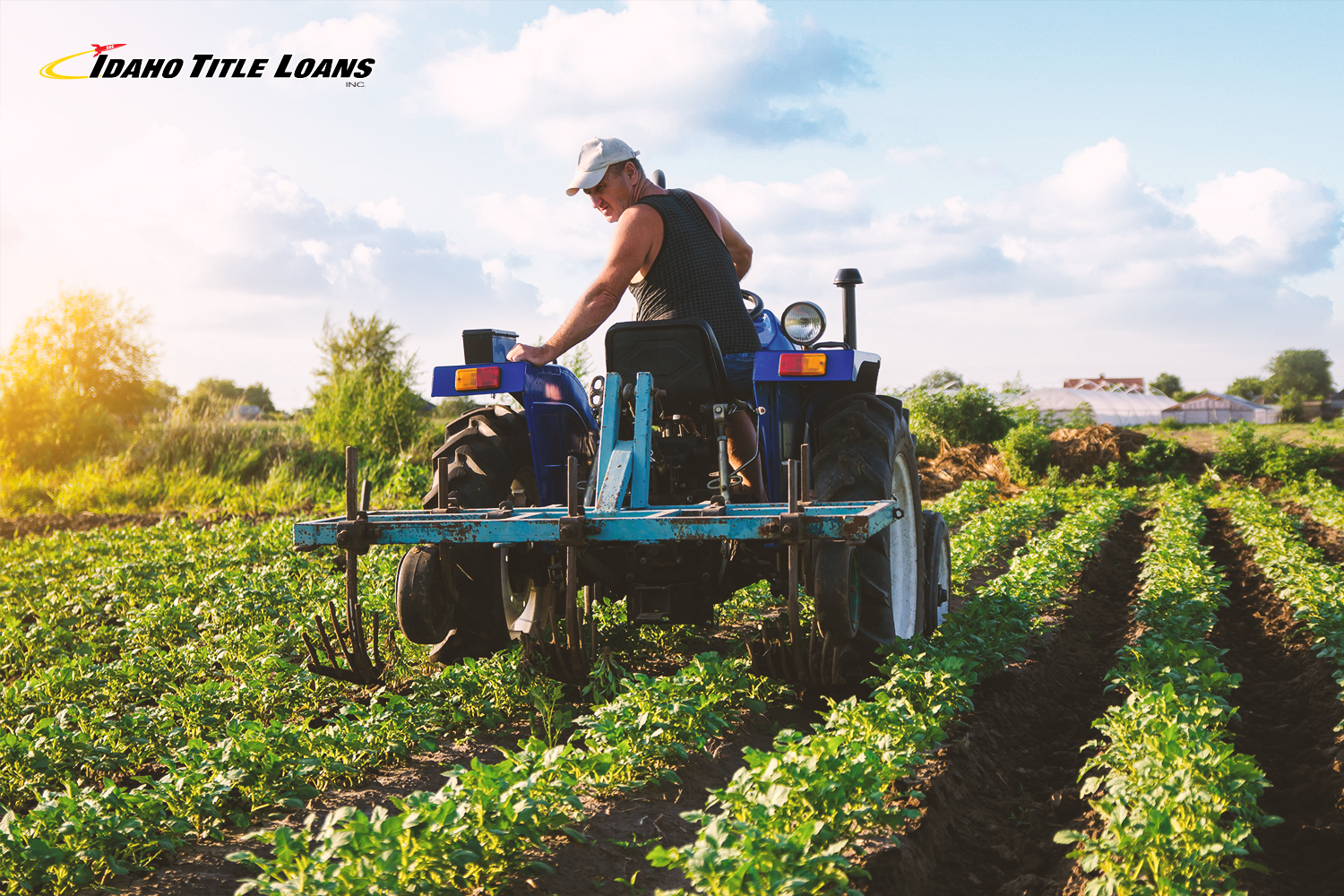
Harvest is the time when crops mature, and farmers begin collecting them. Before harvest begins, it’s essential to plant crops and make sure everything is ready for the season. Harvest is when farmers get most of their crops for the year, so paying for pre-harvest planting costs is necessary.
In this guide from Idaho Title Loans, Inc., we will explain some of the costs associated with the pre-harvest period. We will also go over a spring planting loan in Idaho that you can get. Discover how title loans work to help you fund pre-harvest costs and other alternatives to paying for your planting expenses.
What Pre-Harvest Expenses Do Farmers Need To Afford?
In Idaho, harvest season takes place from August through October, with September being the peak month for farmers. During the spring, farmers need to prep their land for harvest, which means paying for pre-harvest costs.
Here are some costs farmers may need to pay in the spring for pre-harvest:
- Crops – The most important thing farmers need for harvest is their crops. They need to plant crops for the start of the season and have stores available to plant during harvest. This means paying for seed varieties and starter plants, as well as fertilizer, herbicides, and pesticides.
- Labor costs – While some farmers with less property can handle the harvest alone, those who have farms need hired labor to take care of all the work. Before harvest begins, you must hire laborers and pay for temporary housing. You may also need to hire people to handle bookkeeping and soil sampling.
- Equipment – You will need equipment to handle your harvest tasks. These include harvest shears, baskets, digging forks, combines, harvesters, hay balers, tractors, and sprayers. You will also have to pay for fuel and oil to keep any heavy machinery running during harvest.
There’s so much work to do before harvest even begins that can cost a ton of money. If you’re struggling to afford pre-harvest tasks, consider your options for covering planting costs outlined below.
How Do Idaho Farmers Cover Planting Costs?
One of the main things that makes the farming business model unique is that farmers usually receive up to 80% of their annual revenue in a very short 3–4-month window. However, expenses for seeds, fertilizer, and fuel need to be covered up front. On top of that, diesel and equipment parts costs are constantly rising, and paying for necessities out of pocket becomes especially challenging.
The following are a few ways in which farmers can afford upfront costs:
- Crop insurance – Crop insurance is the most vital financial safety net for farmers. Insurance can protect the business from income loss due to natural disasters, pest infestations, and even market price volatility. Some companies can provide payouts when yields are much lower than expected. This allows farmers not to focus on short-term disasters and start thinking about long-term results.
- Federal disaster aid – Some losses might not be covered by standard insurance, and that’s when certain federal disaster aid programs take center stage. For example, programs managed by the Farm Service Agency include the Livestock Forage Disaster Program, Emergency Conservation Program, Livestock Indemnity Program, and more.
- Various cost-share programs – Such programs allow farmers to implement new technologies without having to carry the full financial burden. There are specific sign-up periods when farmers can apply for one of the programs through local offices. If everything goes well, the staff will work with the farmer to develop a plan that meets all technical standards. The farmer would have to pay the initial costs of installing the approved practices and then receive reimbursement for part of those costs.
- Grants for specific crops – The Specialty Crop Block Grant Program provides funding to farmers who enhance the competitiveness of vegetables, fruits, and nuts. The application period is open through June 8th, 2026.
While these programs and grants can help with funding your pre-harvest activities, you may not qualify for all of them. If you only qualify for one or two and need emergency help, a spring planting loan in Idaho could be an option for you.
Requirements For A Title Loan In Idaho
At Idaho Title Loans, we offer three loan types: title loans, payday loans, and signature installment loans. Payday loans and installment loans have smaller loan amounts, so they’re less likely to help you fund your emergency expenses.
For any farmer, the upfront costs represent the largest portion of operational expenses. They can range from $200 to $800 per acre for seed, fertilizer, and chemicals. A title loan is one of the few borrowing options that allow you to access a relatively large amount fast. Depending on the value and condition of your car, you might qualify for up to $15,000.
You should only go for an agricultural title loan in ID as a last resort. We don’t suggest using it to fund your pre-harvest work, unless it’s absolutely necessary. If a financial emergency struck you, like medical bills or farm equipment repairs, a title loan can help. Approval only requires a few items for those who own their vehicle outright.
Here are the required items for Idaho title loans:
- A state-issued photo ID that displays your full name and date of birth
- A lien-free vehicle title in your name
- Your vehicle for a quick inspection
How Does An Agricultural Title Loan In ID Work?
Though all the programs mentioned above are amazing initiatives and, in some cases, can offer financial relief, they might not be suitable for all farmers. Insurance is definitely something that everyone should invest in, just in case. However, qualifying for a cost-share program or a specific grant can be quite difficult.
In case of an emergency that occurs during pre-harvest, an auto title loan can help you pay for unexpected costs. One of the main advantages of title loans is the fast approval. You can begin the process online and qualify in person in less than 30 minutes.
The following is the approval process for title loans in Idaho:
- Submit an online inquiry form with your basic information
- Answer our phone to discuss how title loans work
- Bring your required items to our nearest Idaho store for verification
- Have your car, truck, or van inspected for its value
- If approved, sign the loan agreement to finish up the process
- Receive your title loan funds later that day or by the next business day
The title to your car, not the actual vehicle, will be used as collateral. It’s important to ensure the title is clear and free of liens. Only a lien-free document can be used as collateral. Also, the title must have your name on it to prove that you’re the legal owner of the vehicle.

Get A Title Loan For Farming Emergencies – Borrow Up To $15,000 Today!
We at Idaho Title Loans, Inc. know that a spring planting loan in Idaho can be vitally important for farmers looking to cover farm emergency costs. With us, you can qualify for a loan even if you have poor credit, as long as you manage to meet the rest of the requirements.
If you get started right now, you might receive the much-needed cash today or the next bank day to take care of the urgent bills. Take the first step: fill out the online title loan form and visit us in person to get approved within 30 minutes!
Note: The content provided in this article is only for informational purposes, and you should contact your financial advisor about your specific financial situation.